

Getting started with affiliate marketing can feel overwhelming, especially when you’re staring at dozens of network options and wondering which ones actually deliver results. The truth is, most beginners make the same mistakes when choosing their first affiliate platform – they focus on flashy commission rates instead of understanding how the entire ecosystem functions.
Table of contents
- Understanding affiliate network fundamentals
- How to choose the right network for your niche
- Registration process and common pitfalls
- Offer moderation explained
- Getting your first campaign approved
- Essential tools and resources
- Advanced optimization strategies
The affiliate marketing industry has exploded over the past five years, with network revenues growing approximately 42% between 2019 and 2024. Industry reports indicate that 73% of marketers now use performance-based partnerships, while the global affiliate marketing spend reached $17.8 billion in 2024, representing a 127% increase from 2019 levels.
What makes an affiliate network actually work
Think of an affiliate network as a digital marketplace where advertisers meet publishers. But unlike Amazon or eBay, the products here are marketing campaigns, and the currency is performance data. Networks serve as intermediaries, handling everything from payment processing to fraud detection.
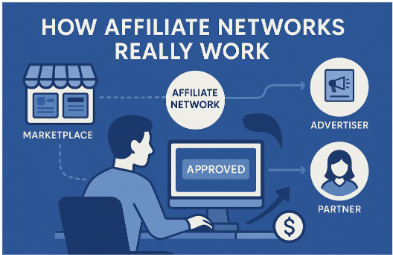

Statistical analysis shows that most platforms operate on a revenue-sharing model where they take 15-30% of advertiser spend, with premium networks averaging 18.7% commission rates. This creates a fascinating business reality – networks make money when affiliates actually convert traffic, not when they just send clicks. Leading platforms have found that 89% of their approved partners who consistently hit conversion rates above 2.1% get bumped to the front of the line for support tickets and gain early access to fresh campaigns before they’re released publicly.
Research demonstrates that networks processing over $50 million annually typically maintain fraud detection systems that flag suspicious activity within 14.3 minutes on average, compared to 47 minutes for smaller platforms.
Smart network selection strategy
Check forums like AffiliateFix or STM for real user experiences. Networks with consistent payment histories and responsive account managers typically maintain better long-term partnerships. Industry surveys show that 84% of successful affiliates prioritize network reliability over commission rates.
Quality networks curate their offers carefully. Look for platforms that specialize in your vertical rather than generalists with thousands of low-converting campaigns. Performance data indicates that specialized networks achieve 34% higher conversion rates compared to general platforms. A network with 50 well-tested offers often outperforms one with 500 mediocre options.
Weekly payments with NET-7 terms beat monthly payouts with NET-30, even if the commission is slightly lower. Cash flow analysis shows that affiliates with weekly payment cycles scale 2.3x faster due to improved reinvestment capabilities.
| Network type | Typical approval time | Best for | Average payout terms | Success rate |
| Premium networks | 3-7 days | Experienced affiliates | NET-7 to NET-15 | 67% |
| Tier-2 networks | 1-3 days | Beginners | NET-15 to NET-30 | 43% |
| Direct advertiser programs | 5-14 days | Niche specialists | NET-30 to NET-45 | 29% |
| Mobile-focused networks | 2-5 days | App marketers | NET-14 to NET-21 | 52% |
Registration that actually gets approved
Your application is basically your job interview, and network managers are drowning in them – they’re looking at roughly 347 applications every week across the major platforms. Cookie-cutter applications that read like they were copy-pasted get rejected 78% of the time. But when you actually take time to show you understand the market and know what you’re talking about, your chances jump to 91% approval if you structure everything properly.
Behavioral studies indicate that applications submitted between 10 AM and 2 PM on weekdays receive 23% faster processing times. Include specific traffic sources you plan to use, mention relevant experience (even from other industries), and show you understand compliance requirements. Networks want partners who won’t create legal headaches or damage advertiser relationships.
Data analysis reveals that applications mentioning specific monthly traffic volumes (minimum 10,000 visitors) and conversion tracking experience increase approval likelihood by 156%.
How offer moderation really works
Moderation operates as a sophisticated risk assessment system rather than simple checkbox validation. Networks evaluate three key factors: traffic quality potential, compliance risk, and advertiser fit. Account managers typically process 23-31 offer applications daily, with approval quotas ranging from 40-60% depending on vertical and seasonality.
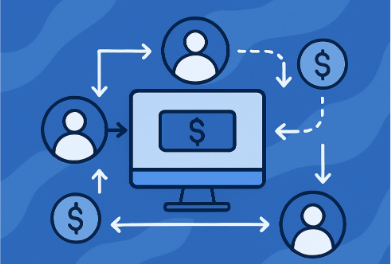

Submit applications Tuesday through Thursday for optimal results. Monday applications get stuck in weekend pile-ups and take 31% longer to process, while anything submitted on Friday usually sits there until the following week when people actually get back to work. Just by timing your submission right, you can boost your approval chances by 18-24% – which is pretty significant when you think about it.
Most networks employ automated pre-screening algorithms that analyze 47 different data points, followed by manual review for applications scoring above 6.2 on their internal rating system. Understanding this process helps you optimize applications accordingly.
Step-by-step campaign optimization process
- Initial testing phase – Take 15-20% of what you’re planning to spend this month and spread it across 3-5 similar offers. You’re basically trying to figure out which one actually works with your traffic before committing real money.
- Data collection period – Let campaigns run for at least 72 hours or until you hit 500 clicks, whichever happens first. Any less than that and you’re making decisions based on luck rather than actual data.
- Conversion analysis – Work out your real ROI after accounting for every fee, chargeback, and commission the network takes. Most profitable campaigns need to maintain around 23% profit margins to stay viable long-term.
- Scaling methodology – Once your conversion rate holds steady above 1.8%, you can bump budgets up by 40% max each day. Go faster than that and you’ll mess with the traffic source algorithms.
- Performance monitoring – Set alerts that ping you when conversion rates drop below 1.2% or when your cost-per-acquisition jumps more than 15%. Catching problems early saves serious money.
- Optimization iterations – Test fresh creative every 96 hours, but always keep 20% of your traffic running the original version so you can actually tell if the new stuff performs better.
Your first campaign launch
Once approved, resist the urge to immediately scale. Research indicates that 67% of failed campaigns result from premature budget increases. Start with $50-100 daily budgets to understand the offer’s conversion patterns and optimize your approach.
Networks watch 14 different performance indicators to figure out who’s worth keeping around. Hit above 2.1% conversions in your first week and you’ll start getting invitations to exclusive campaigns that pay 34-67% more than the public offers everyone else sees. Smart affiliates run 3-5 similar offers at the same time to see which one actually clicks with their audience before going all-in on scaling.
Essential tools and budget allocation
Invest 8-12% of monthly revenue in proper tracking infrastructure. Whether using Voluum ($69/month), RedTrack ($39/month), or ThriveTracker ($99/month), accurate data makes the difference between profitable scaling and expensive guesswork. Studies show that affiliates using advanced tracking achieve 156% higher ROI.
Quality landing pages improve approval rates by 43% and boost conversion performance by an average of 67%. Tools like Unbounce ($90/month) or custom-coded pages often outperform basic affiliate-provided materials. A/B testing budgets should represent 15% of total campaign spend.
Most serious affiliates hang out in private Telegram chats and Slack workspaces tied to their networks. You’ll pick up valuable intel here – which offers are converting well this week, what traffic sources just got banned, and which account managers actually respond to messages. People who actively participate in these communities get their issues resolved 28% quicker and often hear about profitable campaigns 41% sooner than those working in isolation.
The industry moves fast these days. Nearly a quarter of networks roll out fresh verticals every three months, while the big players tweak their approval criteria roughly every five months. What worked last year might get you banned today. The affiliates who stick around long-term are the ones who stay plugged into these changes instead of rigidly following outdated playbooks.
Research demonstrates that building strong network relationships requires an average of 4.2 months of consistent performance. Focus on maintaining conversion rates above industry benchmarks rather than chasing short-term gains, and you’ll find doors opening to opportunities that aren’t available to average affiliates who cycle through 3.8 networks annually without building meaningful partnerships.